The Uganda Vision Blog: Exploring the Pearl of Africa
Unveiling the Mysteries of Bwindi Impenetrable Forest
Published on October 26, 2023
Bwindi Impenetrable Forest, a UNESCO World Heritage Site, is a haven for mountain gorillas and a biodiversity hotspot. This dense forest is home to approximately half of the world's remaining mountain gorilla population. Trekking through Bwindi is an unforgettable experience, offering a rare glimpse into the lives of these magnificent creatures. Permits are required and can be obtained through the Uganda Wildlife Authority. The forest also boasts diverse birdlife, making it a paradise for birdwatchers. Local communities surrounding Bwindi benefit from tourism through employment and conservation initiatives, ensuring the long-term preservation of this natural treasure.
Investment Opportunities in Uganda's Booming Tourism Sector
Published on October 19, 2023

Uganda's tourism sector is experiencing significant growth, presenting numerous investment opportunities. With its diverse landscapes, abundant wildlife, and stable political environment, Uganda is attracting increasing numbers of tourists. Opportunities exist in developing eco-lodges, safari camps, tour operating companies, and transportation services. The government offers incentives to investors in the tourism sector, including tax breaks and land concessions. Focus areas include sustainable tourism practices and community-based tourism initiatives. Partnering with local communities is crucial for ensuring the long-term success and sustainability of tourism ventures.
The Rich Cultural Heritage of the Baganda People
Published on October 12, 2023
The Baganda people, Uganda's largest ethnic group, possess a rich cultural heritage. Their kingdom, Buganda, has a long and storied history, with a centralized political system and a strong sense of identity. Traditional Baganda music, dance, and crafts are vibrant expressions of their culture. The Kasubi Tombs, a UNESCO World Heritage Site, are the burial grounds of Buganda's kings and a significant cultural landmark. The Baganda language, Luganda, is widely spoken in Uganda and is used in education and media. Preserving and promoting Baganda culture is essential for maintaining Uganda's cultural diversity and heritage.
Exploring the Source of the Nile in Jinja: Adventure Awaits
Published on October 5, 2023

Jinja, located on the shores of Lake Victoria, is renowned as the source of the Nile River. This adventure capital of Uganda offers a wide range of activities, including white water rafting, kayaking, bungee jumping, and quad biking. Visitors can take boat trips to the exact spot where the Nile begins its journey to the Mediterranean Sea. Jinja also boasts beautiful scenery, with lush green hills and stunning views of the lake. The town has a vibrant atmosphere, with a mix of local culture and international influences. Accommodation options range from budget-friendly guesthouses to luxury resorts.
The Flavors of Uganda: A Culinary Journey
Published on September 28, 2023
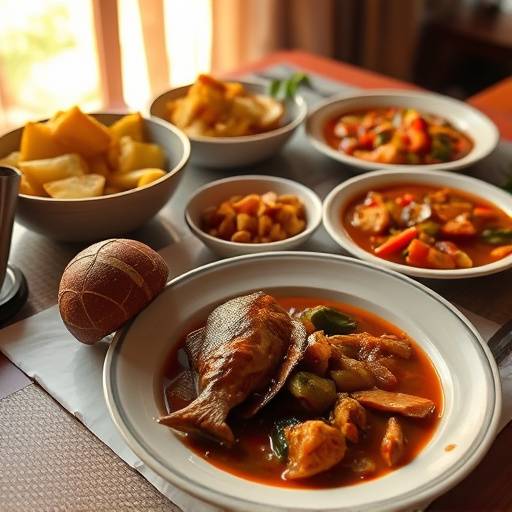
Ugandan cuisine is a delightful blend of flavors and influences, reflecting the country's diverse ethnic groups and agricultural heritage. Matooke, steamed green bananas, is a staple food, often served with groundnut stew, meat, or fish. Grilled tilapia, fresh from Lake Victoria, is a popular delicacy. Other local specialties include rolex (a chapati wrap filled with eggs and vegetables), and posho (a type of maize porridge). Fresh fruits, such as mangoes, pineapples, and passion fruits, are abundant and delicious. Exploring Uganda's culinary scene is an essential part of experiencing its culture.
Murchison Falls National Park: A Wildlife Paradise
Published on September 21, 2023
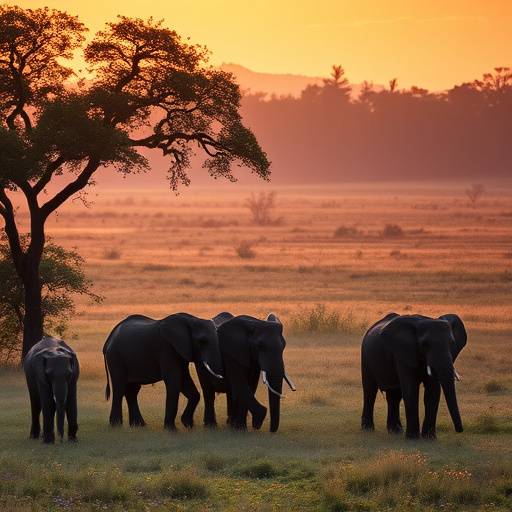
Murchison Falls National Park, Uganda's largest national park, is a wildlife paradise. The park is home to a wide variety of animals, including elephants, giraffes, lions, buffaloes, and crocodiles. The spectacular Murchison Falls, where the Nile River plunges through a narrow gorge, is the park's centerpiece. Boat trips along the Nile offer excellent opportunities for wildlife viewing. Chimpanzee trekking is also available in the park's forests. Murchison Falls National Park is a must-visit destination for wildlife enthusiasts and nature lovers.
Supporting Local Communities Through Responsible Tourism
Published on September 14, 2023
Responsible tourism plays a crucial role in supporting local communities in Uganda. By choosing to stay in locally owned lodges, hire local guides, and purchase handicrafts from local artisans, tourists can contribute to the economic empowerment of communities. Community-based tourism initiatives provide opportunities for visitors to learn about local culture and traditions, while also supporting conservation efforts. Respecting local customs and traditions is essential for ensuring positive interactions between tourists and communities. Responsible tourism promotes sustainable development and helps to preserve Uganda's natural and cultural heritage for future generations.
Uganda's Thriving Coffee Industry: From Bean to Cup
Published on September 7, 2023
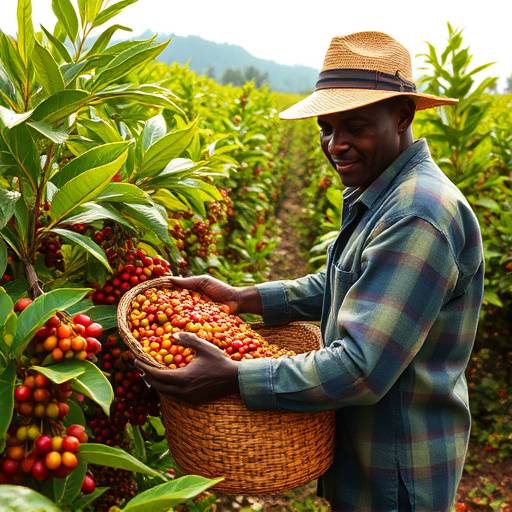
Uganda is renowned for its high-quality coffee, grown in the fertile highlands of the country. Coffee farming is a major source of income for many rural communities. Ugandan coffee is known for its rich flavor and aroma, and is exported to countries around the world. Visitors can take coffee tours to learn about the coffee-growing process, from bean to cup. Supporting Ugandan coffee farmers by purchasing locally grown coffee helps to improve their livelihoods and promote sustainable agriculture.